
For schools, sports teams, and youth programs, building community is at the heart of everything you do. Social media helps you share updates, celebrate wins, and bring families together. But when fundraising season arrives, many organizations hit a wall.
Because here's the truth: High engagement doesn't necessarily mean positive fundraising results.
Likes and shares are great, but they don't pay for uniforms, field trips, or classroom supplies. The real power of social media for fundraising comes from intentional, strategic posting that motivates your community to take action—not just consume content.
This guide breaks down simple, expert‑backed strategies any school or parent‑led group can implement, even with limited time or social media experience. Hear from Tori Moore, RaiseRight’s Social Media Manager, on using social to strengthen your presence and increase fundraiser participation.
Why social media matters for fundraising
Thanks to social media marketing, you can meet families where they're already spending their time. Plus, users are increasingly relying on social media to learn about causes, discover local opportunities, and connect with organizations they care about.
But most nonprofits (especially volunteer‑run teams and schools) focus on visibility instead of outcomes. They post team reminders, updates, and celebrations—yet never fully connect their social presence to their fundraising goals.
As you plan your next season, drive, or campaign, shift your thinking. Yes, likes and comments are great, but what you really need is participation, donations, and community buy‑in. That's where social media strategy can make a difference.

5 expert-backed social media fundraising strategies
These beginner-friendly tips are designed for schools, sports teams, faith communities, and youth programs—specifically those using platforms like Facebook, Instagram, and TikTok to mobilize families.
1. Choose your platforms wisely
Not every organization needs to be on every channel. Instead of spreading yourself thin, choose platforms based on:
- Where your families already are
- What type of content can you realistically sustain
- The age and habits of your community
For example:
- Facebook works well for K–8 schools and parent‑teacher groups
- Instagram or TikTok are great for high school teams or student‑driven programs
- YouTube is ideal for video‑heavy activities (bands, cheer, robotics, etc.)
It's better to manage one platform well than struggle to keep up with three.

2. Create ready-to-use templates
Consistency is the secret weapon of any strong social media presence. But you don't need to reinvent the wheel every time you post.
Build a simple set of templates for:
- Fundraiser reminders
- Progress updates
- Success stories
- Volunteer spotlights
- Events or deadlines
It's a bit more work up front, but ultimately this saves time and keeps your look recognizable across multiple campaigns.
Bonus idea: Create Canva templates and share them with parent volunteers or coaches so your social presence doesn't depend on one person.

3. Set a realistic, sustainable posting goal
Posting regularly helps keep your fundraiser top‑of‑mind, but going overboard leads to burnout, especially for volunteer‑led groups.
Choose a posting goal that is:
- Consistent
- Sustainable
- Realistic for your team
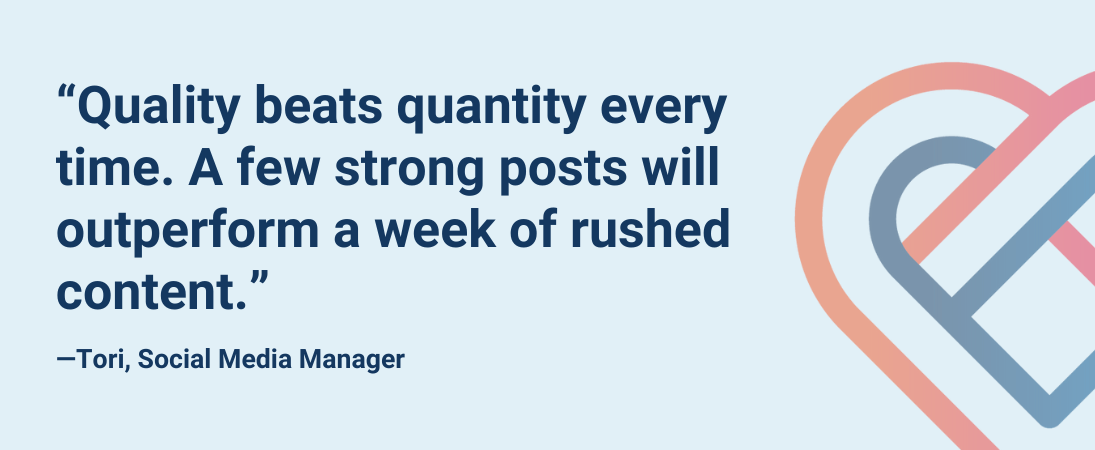
That might mean 3–4 posts per week (and not daily content). What matters most is showing up with clarity and purpose.
4. Don't be afraid to repost the same message
Algorithms are unpredictable, and not everyone will see your content the first time (or even the second!). Repetition is not only okay—it's necessary.
Repost your fundraiser message using:
- Stories
- Carousels
- Quick vertical videos
- A progress update
- A "last chance" reminder
Each format reaches a different segment of your audience.
Rotating formats keeps your messaging fresh while ensuring every family gets the information they need.

5. Lean into the human side
People don't connect with fundraisers—they connect with people. Show the real faces behind your program:
- Students using new equipment
- Volunteers in action
- Behind‑the‑scenes moments
- Short interviews with teachers or coaches
- "A day in the life" clips
- Thank‑you messages from the kids (remember to get permission for posts featuring minors)

Small tweaks = major fundraising wins
Using social media for fundraising doesn't require professional experience, a big budget, or posting marathons. It simply takes intentionality.
By choosing your platforms wisely, using templates, posting consistently, repurposing content, and showcasing the human side of your organization, you can create a social presence that drives real fundraising results—not just engagement. When your community feels connected to your organization, supporting your cause becomes a natural next step.
For more tips on fundraising strategy, you might like these topics: