
Americans continue to spend more on food each year. Cooking at home can help your hard-earned dollars go further, but as you've probably noticed, the cost of your groceries is climbing, too. As of January 2026, grocery store and supermarket food prices are 2.1 percent higher than in January 2025.
Luckily, food spending doesn't have to take a major bite out of your budget—especially if you know ways to save money on groceries.
We've put together a smorgasbord of 13 grocery shopping hacks that will have your wallet just as well-fed as your family.
1. Use cash or gift cards to stay within budget
The #1 way to save money on groceries is to set a spending limit. If you have trouble sticking to your weekly grocery budget, try going to the store with only that amount of cash in hand.
Prefer the convenience of a card? Consider using a reloadable grocery gift card with the exact amount you're able to spend.
Pro-tip
Take your grocery budget even further with RaiseRight. When you pay with grocery gift cards through a RaiseRight fundraising program, you earn 2–10% back on every purchase—and those earnings help offset the cost of school, sports, or activities you're already paying for.With 70+ regional grocery brands covered (plus Instacart or a Mastercard for stores like Costco, Aldi, and Trader Joe's), RaiseRight helps you save on groceries while supporting your favorite cause.
See how much you could earn with our free calculator:

2. Embrace digital tools
Modern shoppers can use technology to get the edge over ballooning grocery prices. Some apps can help with every aspect of cost-effective grocery shopping, including:
- Finding the best prices in your area—Try apps like Flipp and Is That a Good Price to see if those sale prices are really a steal or just a mark-down on a mark-up.
- Meal planning using what you have on hand—Supercook and Mealtime are just two of many apps that help you build recipes around what's in your pantry.
- Earning cashback, rewards, and rebates—Use apps like Upside, Fetch Rewards, Ibotta, or BrandClub to find rebates or earn points on purchases that can be converted into rewards.
3. Use curbside pickup and delivery wisely
You might assume that the convenience of curbside pickup and home delivery would cost more, but savvy shoppers can save money on groceries this way, too.
Some grocery stores offer free online ordering and pickup. Put your order together at home while price-checking against competitors to ensure you're getting a good deal. Plus, shopping from home lets you avoid all those tempting impulse buys.
The savings you rack up by shopping this way may even cover the delivery cost, so check your local store's fees to be sure.
4. Plan your meals

Planning meals in advance is a great way to save money on groceries—sidestep unnecessary purchases while ensuring nothing goes to waste. Meal planning also encourages you to skip eating out or getting takeout, which leads to big cost savings over time.
Here are a few ways to plan your meals efficiently:
- Make a list of what you already have on hand.
- Brainstorm recipes using mostly those ingredients, then add any missing items to your list. Use apps like Supercook and Mealtime, or ask your favorite AI platform for recipe ideas.
- Plan meals that incorporate the same ingredients differently to avoid letting anything go to waste.
5. Leverage coupons and discounts
You may not clip them out of the Sunday paper anymore, but couponing is still one of the best ways to save money on groceries.
Try this advice:
- Check for coupons first, then build your meal plan around what's on sale.
- Use a coupon app like the Krazy Coupon Lady to coordinate your shopping list with available coupons.
6. Join rewards programs
Most major grocers offer loyalty programs or discounts when you sign up for their programs or mailing lists. These members-only offers can add up over time.
However, there is a catch: you can't let discounts tempt you into buying items you don't need or won't use.
7. Take advantage of store apps
Additionally, grocery stores often offer member-only coupons and deals via their proprietary apps. A few that are known for offering big savings this way include:
- Kroger
- Safeway
- Walmart
- Target
- Publix
- Meijer
- Sprouts
8. Buy generic
As you learn how to shop for groceries on a budget, remember that many generic or store-brand items are identical to the name brand. In some cases, generic items are processed in exactly the same plants as their name-brand cousins, and only the labels differ.
How much can you save buying a generic version? One financial advising firm found that using generic items for three dinners a week could save more than $500 a year for a family of four.
9. Shop seasonal and local
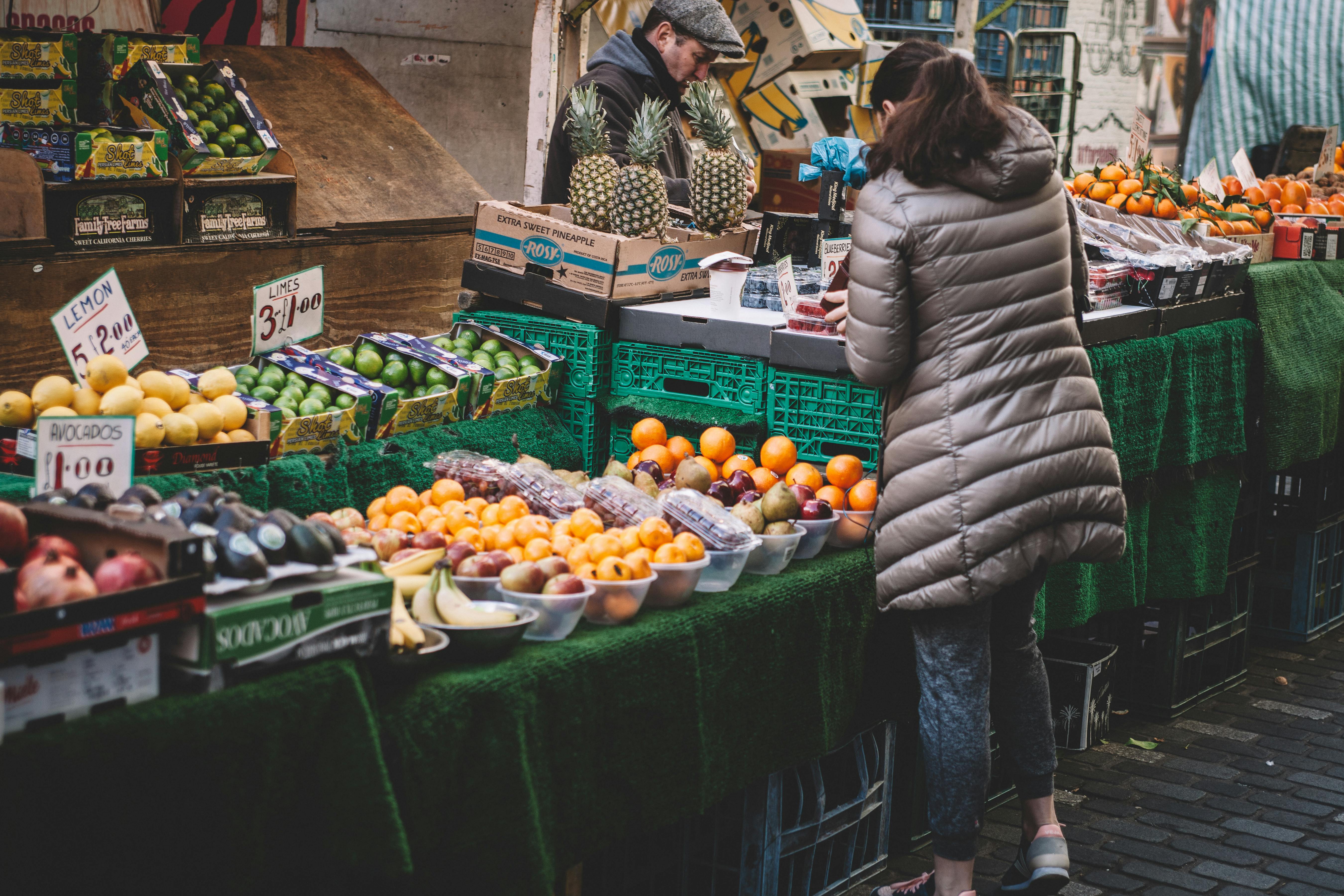
Financial experts and eco-conscious shoppers alike champion this tip for being both cost-effective and sustainable. Seasonal produce tends to be more affordable, better tasting, and closer to peak freshness.
Pro-tip
Look for farmer's markets or local grocery stores that get their inventory from regional farmers—it's often cheaper because transportation costs are lower.10. Buy in bulk
Buying in bulk can help you save money on groceries by reducing the per-unit cost and minimizing the frequency of your shopping trips.
Items that are likely to be cheaper in large quantities include:
- Non-perishables like canned goods and dry goods
- Coffee
- Cleaning supplies
- Toiletries
- Batteries
- Pet food
11. Avoid individually wrapped or prepared foods
Convenient, prepared foods are nearly always more expensive (and often less fresh) than preparing foods at home. Prepped foods that can bloat your bottom line include:
- Shredded or sliced cheese
- Prepared deli foods (salads, meats, soups, etc.)
- Pre-washed and cut fruit and veggies
- Packaged salad greens
12. Avoid impulse buys
You know what we're talking about: chips to eat in the car, a quick sugary beverage, and day-old cookies at a can't-beat-it price. Here are some tricks to avoid the dreaded impulse buy:
- Stick to the perimeter—Fresh foods like bread, produce, dairy, and meat are located along the outer walls of most stores. Interior aisles are where you’ll find processed foods and snacks. So when you venture into the middle aisles, stay on mission and buy only what’s on your list.
- Don’t shop hungry—It's harder to resist an impulse buy if your stomach is grumbling. If you must shop when you're hungry, grab a bottle of water and be sure you're well-hydrated.
13. Know what expiration dates mean
Don't lose money by immediately disposing of food past its sell-by or best-by date. Per the USDA, these dates are "for quality, not for safety." As long as you handle the food safely, it should be safe to consume if you don't see or smell signs of spoilage.
The one exception? Infant formula. After its use-by date, baby formula may not contain adequate nutrients for infant health.
Use RaiseRight to shop for groceries on a budget
These tips can help you spend smarter without sacrificing taste or nutrition. And when you pair them with RaiseRight, your grocery spending does double duty, helping you manage costs while earning for a school, sports team, band, or church you care about.
Start by buying a grocery gift card on RaiseRight that matches your weekly budget. Use it for purchases, reload when needed, and watch the earnings add up.
Ready to get started?
- Learn more about how RaiseRight works.
- Download The RaiseRight Fundraising Playbook and share it with others who might be interested.
- Start a free program by completing a short, online enrollment form.
If you're already part of an organization that uses RaiseRight, you just need your enrollment code to create an account and begin earning right away.